







Search Results for: Yirgacheffe Gidding
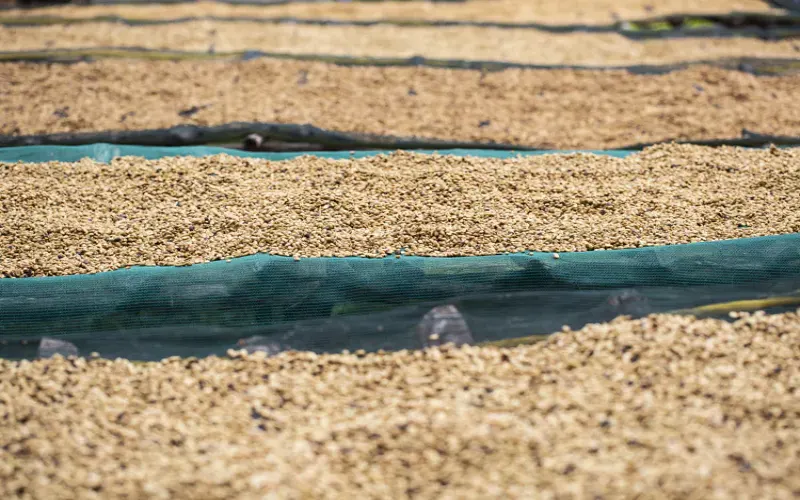
What is the difference between Yirgacheffe and Sidamo? A comprehensive analysis of Ethiopia's two major specialty coffee regions
Yirgacheffe and Sidamo are the two most prominent specialty coffee regions in Ethiopia. The former is famous for its citrus and floral notes, while the latter is known for its diverse flavors and wild charm. Geographically, they once belonged to the same larger region, but later became independent due to their unique flavors. This article will systematically compare the similarities and differences between these two regions from the perspectives of altitude, climate, soil, and representative coffee beans, and provide detailed recommendations and brewing suggestions for a variety of Ethiopian specialty beans from Front Street Coffee, including Yirgacheffe Guddina, Red Cherry, Huakui, and Hamasho, helping coffee enthusiasts gain a deeper understanding of the diverse charm of Ethiopian coffee. [more…]
Yirgacheffe Coffee Beans Flavor and Taste Analysis: Ethiopian Specialty Coffee Pour-Over Parameters and Front Street Recommendations
Yirgacheffe, as Ethiopia's most representative specialty coffee region, is renowned worldwide for its lemon-citrus notes and clean cup profile. This article provides a comprehensive analysis of the flavor characteristics of Yirgacheffe coffee beans, covering the region's background, cooperative features, processing method differences, and brewing parameters. It also introduces brewing recommendations for Front Street Coffee's washed Gutingding and natural Red Cherry products, and addresses the common question of uneven bean sizes, helping coffee enthusiasts gain a deeper understanding of the unique charm of this African specialty bean. [more…]
Worthwhile Specialty Coffee Brands to Try: Front Street Coffee Washed Yirgacheffe Gidding Flavor and Brewing Guide
In the dazzling world of specialty coffee, choosing a bean that truly suits your taste can often be a struggle. When it comes to unmissable classics, Front Street Ethiopian Yirgacheffe is surely on the list. It is renowned for its clean, translucent body and lively fruit acidity, and is a representative of intertwined floral and fruity notes. This article will introduce you to Front Street Yirgacheffe Washed Gutingding, explain the ins and outs of the washed processing method, and provide practical pour-over suggestions to help you easily recreate this excellent cup of coffee with both citrus and black tea aftertaste. [more…]
Washed Gidding|Why is Yirgacheffe suitable for beginners? Floral and fruity light-roast high-quality pour-over single-origin coffee bean recommendation
If you're new to specialty coffee, you're sure to hear the name "Yirgacheffe." It has long been famous for its clean, bright taste and citrus-lemon acidity, and has successfully drawn countless people into floral and fruity coffees. And when it comes to which Yirgacheffe is most worth buying, it has to be Front Street's washed fruit—delicious and inexpensive. [more…]
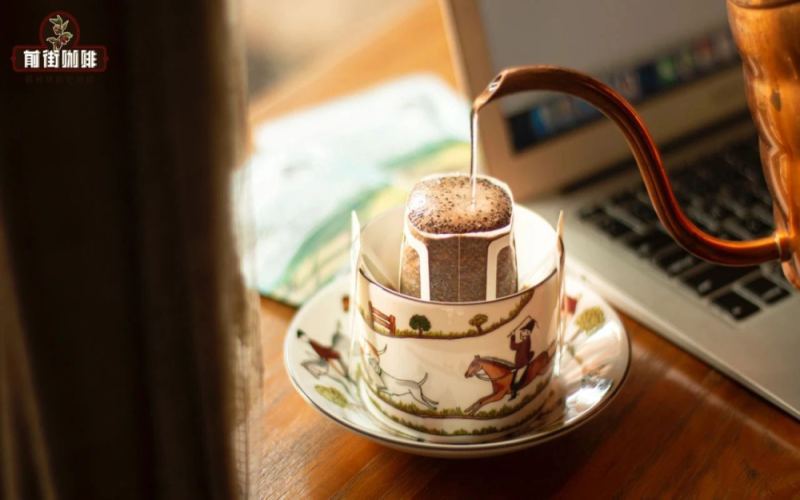
Can Drip Coffee Bags Be Steeped Directly in a Cup? A Detailed Guide to the Correct Brewing Method and Three Front Street Specialty Flavors
Can drip bag coffee be directly steeped in the cup? Many friends are used to pouring out the coffee grounds to steep, or leaving the bag in the water the whole time—but these actually deviate from the best brewing method. Front Street will demonstrate the correct drip bag brewing steps for you, and introduce three fresh-ground specialty drip bag coffees from multiple origins: Washed Yirgacheffe Gotingding, Brazil Queen Estate, and Sidamo Huakui. From blooming to staged pouring, mastering the details is the only way to fully release the coffee's aroma and layers. [more…]
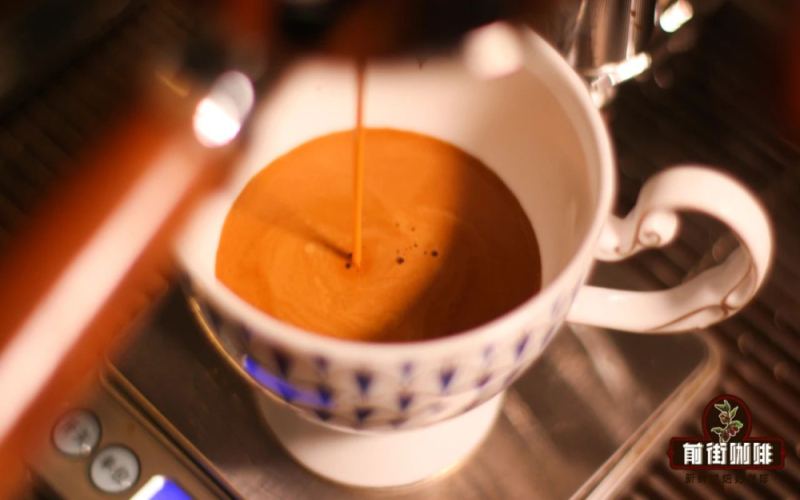
Does coffee cup size affect taste? Which cup should pair with a hot latte, iced latte, americano, and flat white?
Coffee enthusiasts often collect all kinds of cups, but have you ever considered that the shape and capacity of a cup can quietly change how a coffee is presented? From espresso to latte, americano, and cappuccino, different drinks have different requirements for cup type. Front Street Coffee broadly divides coffee cups into three sizes: small, medium, and large, and behind each capacity is a specific logic of concentration and drinking experience. Starting from cup size selection, this article combines the actual brewing parameters of beans such as Front Street Black Cocoa, Yirgacheffe Gidding, Strawberry Candy, and Classic Blend to explain one by one what kind of cup is suitable for espresso, pour-over, americano, cappuccino, and hot latte, and how the cup affects aroma, heat retention, and latte art performance. [more…]
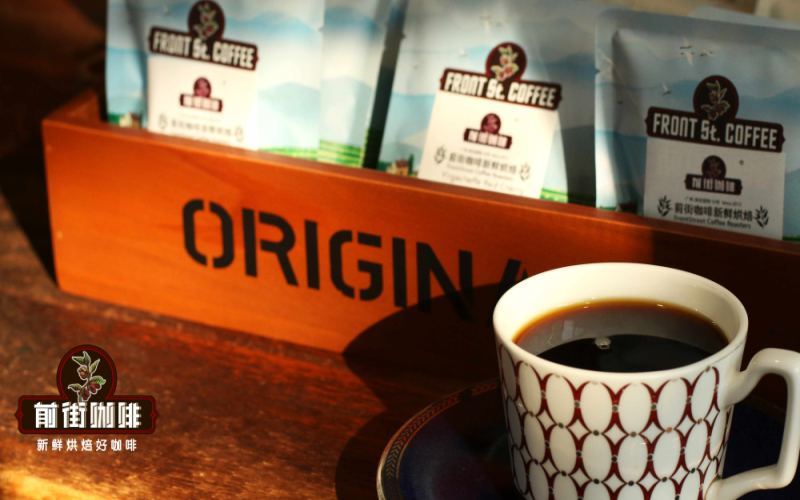
Exploring Coffee Floral Aromas: Three Major Aroma Types and Flavor Analysis of Representative Coffee Beans
The aromatic world of specialty coffee is intricate and diverse, and floral notes are one of its most captivating elements. But with such a wide variety of floral aromas, how can we tell whether a cup of coffee has floral notes, and which type they belong to? Starting from the coffee flavor wheel, this article groups floral notes into three main categories: the fresh type represented by jasmine, the subtle type represented by rose, and the muted type represented by chamomile, and analyzes the characteristics and representative floral varieties of each. At the same time, drawing on three coffee beans—Front Street Yirgacheffe Guddina, Front Street Natural Hualkui, and Front Street Costa Rica Mozart—it explains the flavor expression of coffees with different floral types, helping coffee lovers capture and identify floral notes more accurately during tasting. [more…]
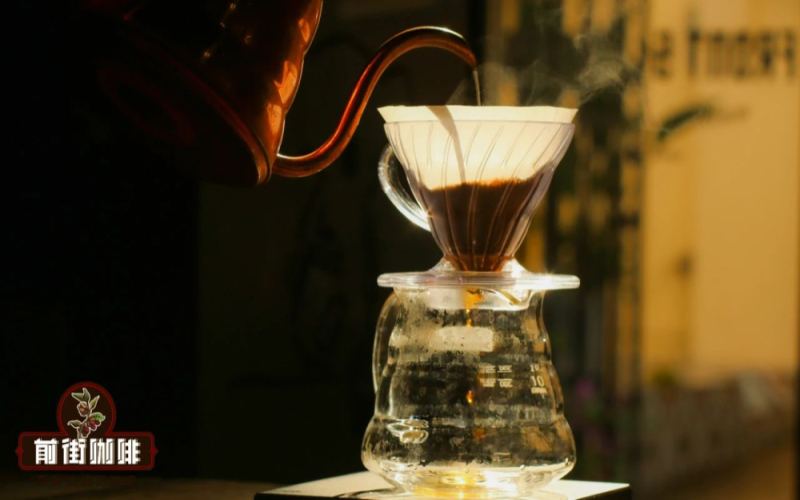
Specialty Coffee Floral Tasting Guide: Aroma Selection and Sniffing Techniques for Light-Roast Beans
The charm of coffee goes far beyond waking you up—what truly fascinates is the details hidden in every wisp of aroma. The floral flavors of specialty coffee are the first key that opens the door to the world of flavor for many enthusiasts. This article starts with the origins of floral aromas and introduces several Front Street Coffee beans known for their floral notes, including Yirgacheffe Gutingding, Natural Huakui, and Boquete Geisha, analyzing their respective aroma characteristics and suitable brewing methods one by one. At the same time, we will also share a complete aroma-sensing method that goes from dry fragrance, wet aroma, to finish and sipping, helping you more clearly capture those light, sweet floral layers in your daily brewing, and truly understand the "floral code" in coffee. [more…]
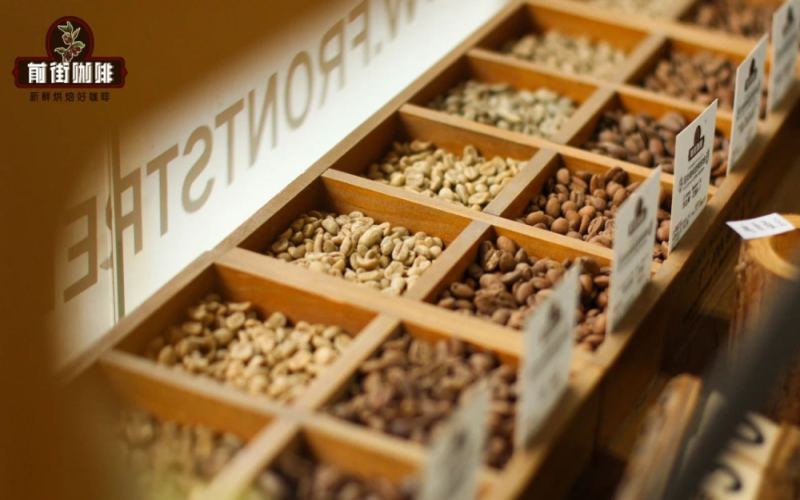
How to brew medium-dark roast pour-over coffee without bitterness? A flavor analysis of the acidity and bitterness differences between Yirgacheffe and Mandheling
Coffee beans must be roasted, ground, and brewed before they can present a cup of coffee with full aroma and rich flavor. Different roast levels bring entirely different flavor directions: the darker the roast, the higher the body, the lower the acidity, and the more pronounced the bitterness. This article starts with the characteristics of three types of beans—light roast, medium roast, and dark roast—to help you understand the relationship between roast level and flavor, and uses the light-roasted Front Street Yirgacheffe Gedingding and the dark-roasted Front Street Mandheling as examples to explain the approach to matching grind size and water temperature. It also shares four practical tips—low, gentle, slow, and coarse—so that medium-dark roasted coffee can also brew a soft and solid taste. [more…]
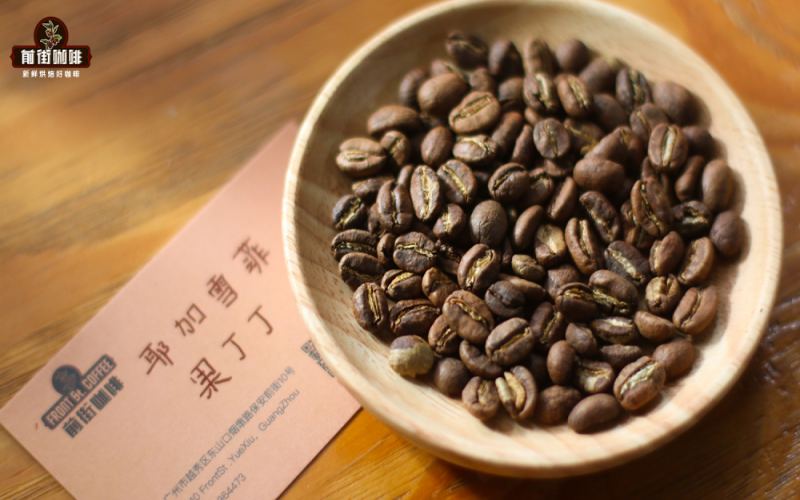
Coffee Beginner's Bean Buying Guide | What beans should you buy when you first start drinking pour-over coffee? 10 high-value everyday coffee bean recommendations for pour-over/espresso extraction
In recent years, more and more people are drinking coffee, and buying beans has gradually shifted from "just grab whatever" to "I want it to taste good and be a good deal." For beginners just starting out, when buying coffee beans, besides looking for something economical, you also need to pay attention to whether it is consistent, whether it suits you, and whether it will be a letdown. Today, [more…]
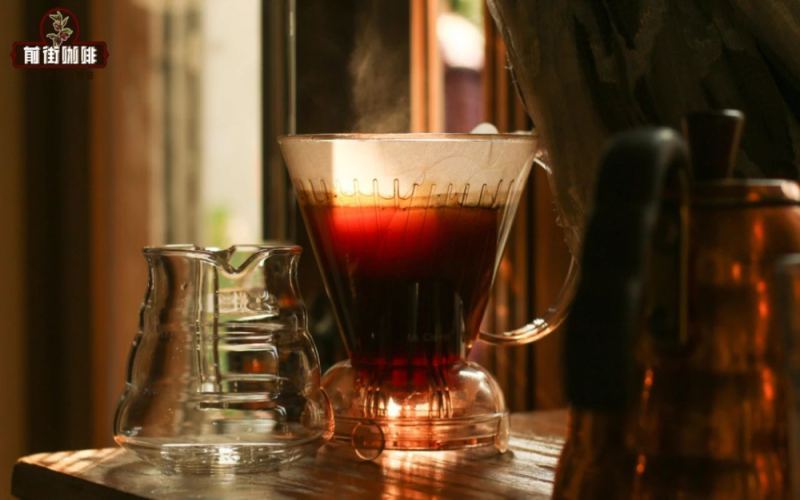
Flavor Differences Between the Clever Dripper and Pour-Over Coffee, and Suitable Bean Varieties: A Complete Guide to the Lazy Extraction Method
Among convenient coffee brewing devices, the French press is often mentioned, but its cleaning difficulties deter many people. The Clever Dripper, with its bottom valve design, combines the ease of immersion extraction with the easy-to-clean characteristics of a pour-over dripper, making it a godsend for the lazy. This article will break down the Clever Dripper's structure and operating process in detail, compare its core differences with pour-over coffee in terms of extraction method and flavor performance, and provide specific recommendations for multiple suitable bean varieties under the Front Street Coffee brand based on different taste preferences, helping readers find the cup of coffee that suits them best. [more…]
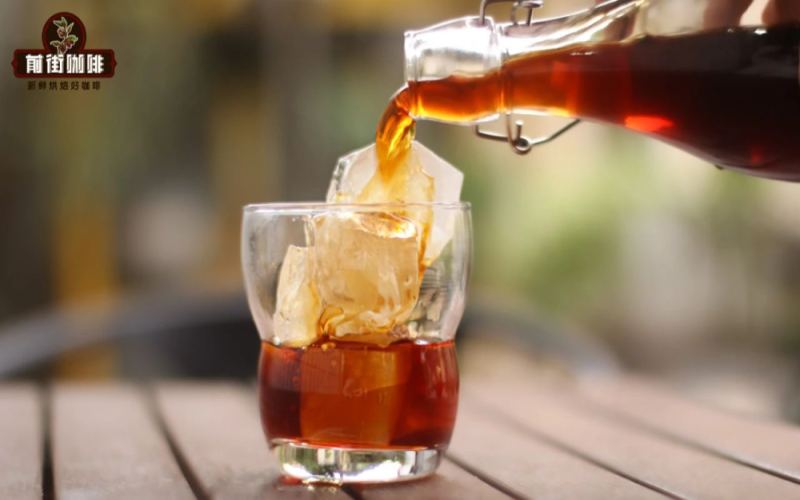
How to Make Cold Brew Coffee at Home: Coffee-to-Water Ratio, Grind Size, Shelf Life, and Front Street Coffee Bean Recommendations
The scorching summer is hard to endure, and cold brew coffee has become the top choice for many coffee lovers to beat the heat. Starting from the underlying principles, this article explains clearly why cold brew coffee tastes more balanced, then walks through step by step the types of coffee beans suitable for cold brew, the reasonable range for the coffee-to-water ratio, how grind size and steeping time work together, and how long it can be kept once made. The article also gives specific recommendations based on several Front Street Coffee beans, including the dark-roasted Queen's Estate, PWN Golden Mandheling, the light-roasted Fruit Ding Ding, Little Tomato AA, as well as the specially processed Strawberry Candy and Front Street Xizhua, to help you avoid detours and make a smooth, consistent cup of cold brew at home. [more…]
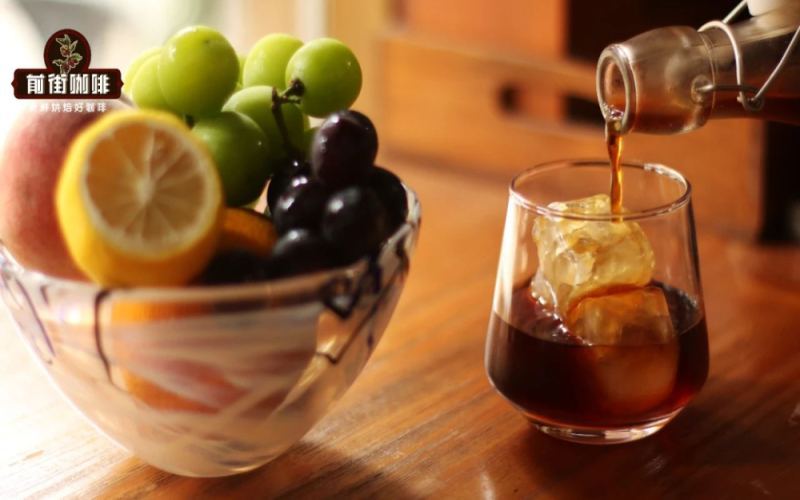
The Complete Guide to Ice Drip and Cold Brew Coffee: Brewing Key Points, Flavor Profile, and Front Street Coffee Bean Recommendations
In the height of summer, ice drip and cold brew, these two low-temperature extraction coffees, have become popular choices among iced coffees thanks to their refreshing, smooth performance and full-bodied flavor. This article sorts out the Dutch origins and the Japanese and Korean trends of ice drip coffee, explains in detail the ice drip and cold brew preparation parameters of Front Street Coffee, covering key points such as grind size, coffee-to-water ratio, drip speed, and refrigeration time, and recommends specialty beans suitable for low-temperature extraction, such as Sherry, Fruit Ding Ding, Huakui, Huahudie Geisha, and Strawberry Candy. At the end, it also answers practical questions such as why cold brew should be refrigerated again for "aging" after it is made, and why it is recommended to finish drinking it within 5 days. [more…]

Washed Yirgacheffe Gedeb G1 Flavor Analysis and Pour-Over Parameters: Taste Changes from High to Low Temperature
The same cup of coffee: some people drink it all in one go while it's hot, some prefer to let it cool before drinking, and others savor it slowly from hot to cold. At different temperatures, coffee presents vastly different flavors. This article takes Front Street · Washed Gidding G1 from the Yirgacheffe region as an example. It first introduces the origin information and flavor description of this bean, then discusses the terroir conditions and washed processing flow of Yirgacheffe, and finally provides complete pour-over extraction parameters and brewing performance. Whether you are a beginner just getting into specialty coffee or an enthusiast looking to refine your brewing skills, you will find practical references here. [more…]

How do people who dislike bitterness choose coffee beans?
“This coffee is too bitter, I can't drink it.” Many people are familiar with this remark. But in fact, how bitter coffee tastes depends largely on the choice of beans and the brewing method. As long as you choose the right direction, even people who fear bitterness can find a cup they enjoy. The core approach to choosing beans for those who fear bitterness: First, avoid dark-roasted beans. The darker the roast, the more charred [more…]

Where Does Coffee Sourness Come From? Explaining the Difference Between Acidity and Sour Quality, plus a Guide to Buying Sour Coffee Beans
Is the acidity in coffee a plus or a minus? It depends on the quality of the acidity, not its intensity. This article approaches the topic from a cupping perspective, explaining the difference between acidity and acid quality, showing how coffee acidity is influenced by variety, altitude, processing method, and roast level, and revealing the relationship between fruity flavors and the balance of sweetness and acidity. At the same time, it recommends acidic coffee beans categorized by acid quality type: bright citrusy washed high-altitude light roasts, juicy full-bodied dark berry notes, and high-sweetness sun-dried beans blended with tropical fruit notes, helping coffee lovers choose beans precisely according to their preferences. [more…]
How to make a floral espresso? Front Street Strawberry Candy Blend delivers consistent extraction and fruity-floral sweetness
For a latte art coffee with floral aromas, bean selection is key. Front Street Coffee's Yirgacheffe Gidding and Front Street Coffee's Panama Geisha are certainly captivating, and Front Street Coffee's sun-dried Huakui and Front Street Coffee's Blackberry can also deliver rich fruity notes, but these light-roast beans are better suited to pour-over or cold brew, as their extraction is unstable when pulled as espresso. Therefore, a medium-roast blend designed specifically for espresso is needed. Front Street Coffee's Strawberry Candy espresso blend combines three major origins—Costa Rica, Colombia, and Ethiopia—preserving the floral and honeyed notes of Geisha, enhancing the sweetness of honey processing, and drawing out caramel flavors. Used to make an americano or latte, it offers a fuller body and presents the sweet aromas of strawberry fruit candy, grapes, and roses, with low bitterness and a lingering finish—making it an ideal choice for a floral espresso. [more…]
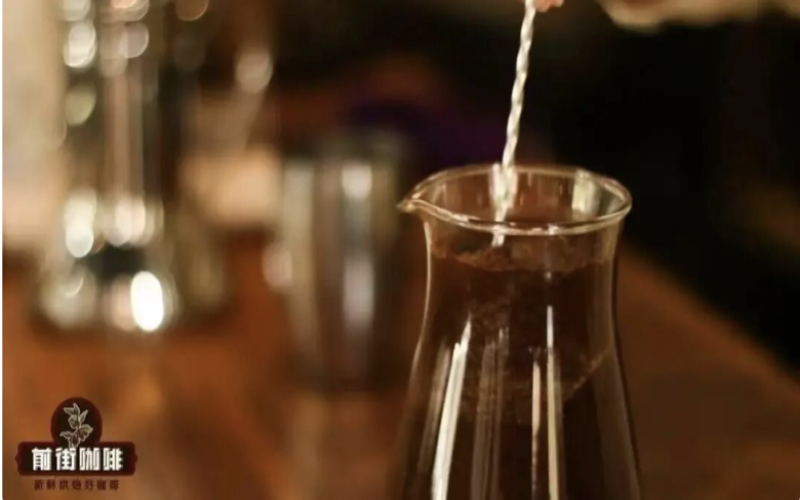
Bean Selection for Cold Brew and Ice Drip: Two Directions—Fruity and Sweet
Cold brew and ice drip have very clear requirements for beans: strong flavor, ample sweetness, and high cleanliness. The passion fruit and blueberry flavors of Front Street Coffee Colombia Sidra slowly emerge in ice drip, with a juicy quality as rich as fruit tea; the sweet aroma of strawberry candy makes a cold brew in which the strawberry gummy character stands out even more at low temperatures. Choose the right beans, and the flavor concentration of cold brew and ice drip [more…]

The Evolution Path of Commercial Base Beans: How to Upgrade Step by Step from Chain-Style to Specialty Blends
Those who have opened a shop and look back at their base beans will find a clear evolutionary line. Most people start with chain-style dark-roast blends, and after a year or two, the beans on the bar gradually shift toward medium roasts and specialty blends. This isn't fickleness of taste—it's that as a shop grows to different stages, the questions the base beans need to answer also [more…]
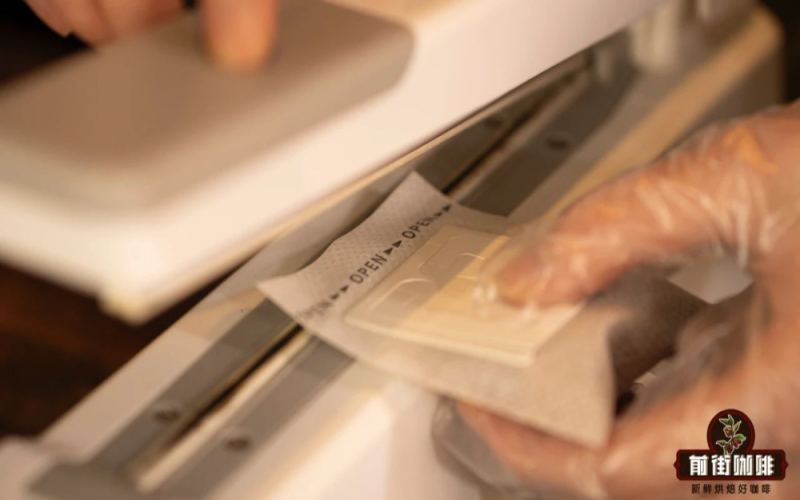
How long can drip bag coffee be stored? Correct brewing method and four flavor profiles of Front Street drip bag recommendations.
Drip bag coffee, with its combination of convenience and flavor, has become the daily first choice for many coffee lovers. But how long is the shelf life of drip bag coffee? Can it still be drunk after more than a month? Can it be brewed repeatedly? This article will answer these common questions in detail, and at the same time, from the four flavor dimensions of floral aroma, fruity aroma, fermented feel, and body, recommend a number of high-quality drip bag products under Front Street Coffee, including Panama Butterfly, Yirgacheffe Gidding, Strawberry Candy, and Golden Mandheling, along with complete drip bag coffee brewing steps, so that you can easily brew a delicious cup of coffee at home. [more…]